The Birth of DDR Memory: How the First DDR DRAM Was Made
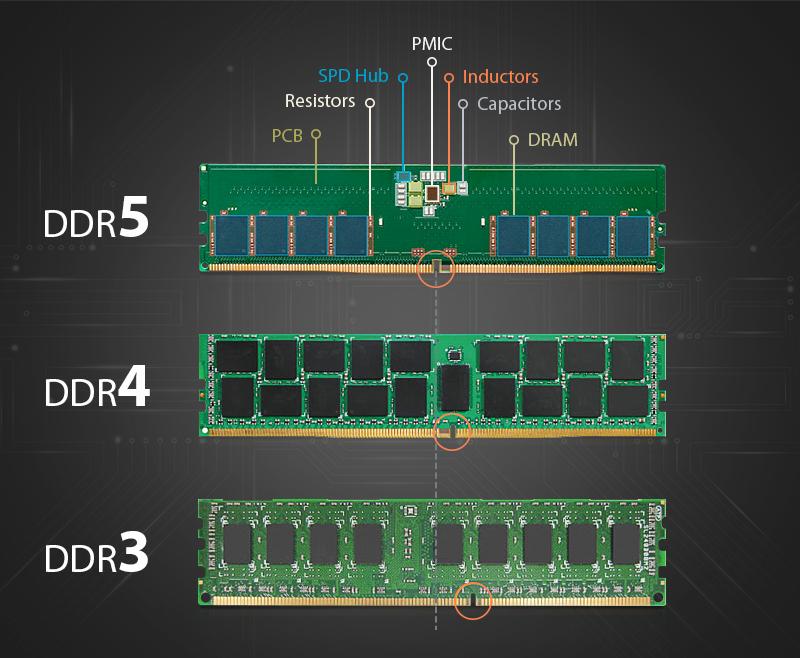
Dynamic Random-Access Memory (DRAM) is a cornerstone of modern computing, and among its various generations, DDR (Double Data Rate) DRAM represents a significant leap forward in memory technology. The development of the first DDR memory marked a transformative moment in the evolution of computer hardware. This blog explores the creation of the first DDR DRAM, its significance, and the technological innovations that paved the way for this pivotal advancement.
Understanding DRAM and the Need for DDR
DRAM Basics:
Dynamic Random-Access Memory (DRAM) is a type of semiconductor memory that stores each bit of data in a separate capacitor within an integrated circuit. DRAM is known for its simplicity and cost-effectiveness, making it the most common type of memory used in computers and other electronic devices.
The Evolutionary Need:
Before DDR, DRAM was primarily of the SDRAM (Synchronous DRAM) type. SDRAM synchronized its operations with the system clock, but it only transferred data on one edge of the clock signal (rising or falling). While this approach was a significant improvement over earlier asynchronous DRAM, it had limitations in terms of data transfer rates and overall performance.
To meet the growing demand for higher performance and bandwidth in computing, the industry sought to develop a memory technology that could double the data transfer rate without increasing the clock frequency. This quest led to the invention of DDR DRAM.
The Genesis of DDR DRAM
1. Conceptual Foundation:
- Double Data Rate Concept: DDR DRAM was designed to address the performance limitations of SDRAM by transferring data on both the rising and falling edges of the clock signal. This effectively doubled the data transfer rate without increasing the clock speed, hence the name "Double Data Rate."
- Increased Bandwidth: The fundamental innovation behind DDR DRAM was its ability to perform two data transfers per clock cycle instead of one. This improvement was achieved through a more sophisticated internal architecture and data bus design.
2. Design and Development:
- Architecture Innovations: The development of DDR DRAM involved several key architectural changes:
- Burst Mode: DDR DRAM introduced burst mode operation, where a single memory access could fetch a burst of data (typically 2, 4, or 8 consecutive words). This increased data throughput and improved overall efficiency.
- Precharge and Activate: DDR DRAM implemented more efficient precharge and activate cycles compared to SDRAM. This allowed for quicker transitions between different memory addresses.
- Internal Circuitry: The internal circuitry of DDR DRAM was designed to support dual-edge data transfers. This required careful design of the memory cells, data paths, and I/O (input/output) buffers to handle the increased data rate and ensure signal integrity.
3. Prototyping and Testing:
- Engineering Challenges: Developing DDR DRAM involved overcoming several engineering challenges, including managing higher signal frequencies, minimizing noise and interference, and ensuring reliable data integrity. Engineers had to refine their designs and conduct extensive testing to validate the performance and stability of the new memory technology.
- Prototype Development: Early prototypes of DDR DRAM were created and tested in various environments, including laboratory settings and real-world applications. These prototypes helped identify and address any issues before moving to full-scale production.
4. Industry Adoption:
- Standardization: DDR DRAM was standardized by JEDEC (Joint Electron Device Engineering Council), which provided the industry with a consistent set of specifications and guidelines. This standardization was crucial for ensuring compatibility across different manufacturers and products.
- Initial Products: The first DDR DRAM products were introduced in the late 1990s. These early DDR modules were initially adopted in high-performance computing applications, such as workstations and servers, before becoming more widely used in consumer electronics.
Impact and Legacy
1. Performance Gains:
- Doubling the Data Rate: DDR DRAM effectively doubled the data transfer rate compared to SDRAM, providing a substantial performance boost. This improvement was critical for meeting the increasing demands of modern applications and operating systems.
- Enhanced System Performance: With DDR DRAM, systems could handle more data in less time, leading to faster and more responsive computing experiences. This had a ripple effect on various industries, including gaming, multimedia, and scientific computing.
2. Technological Evolution:
- Subsequent Generations: The success of DDR DRAM paved the way for subsequent generations of DDR memory, including DDR2, DDR3, DDR4, and DDR5. Each new generation introduced further enhancements in speed, efficiency, and capacity.
- Innovation in Memory Technology: The principles of DDR DRAM influenced the development of other memory technologies, including GDDR (Graphics DDR) used in graphics cards and LPDDR (Low Power DDR) used in mobile devices.
3. Industry Standards and Manufacturing:
- Manufacturing Advancements: The development of DDR DRAM drove advancements in semiconductor manufacturing processes, including finer process nodes and improved fabrication techniques. These advancements contributed to the overall progress of the semiconductor industry.
- Global Impact: DDR DRAM became a global standard, adopted by manufacturers and consumers worldwide. Its influence extended beyond computing to impact various electronic devices and applications.
Conclusion
The creation of the first DDR DRAM was a landmark achievement in memory technology, representing a significant leap forward from SDRAM. By doubling the data transfer rate and improving performance, DDR DRAM addressed the growing demands of modern computing and set the stage for future advancements in memory technology.
The innovative design, rigorous testing, and successful industry adoption of DDR DRAM exemplify the remarkable progress that can be achieved through engineering and collaboration. As technology continues to evolve, the legacy of DDR DRAM serves as a testament to the ongoing quest for higher performance and efficiency in the world of computing.
For engineers and technology enthusiasts, understanding the origins and impact of DDR DRAM provides valuable insights into the evolution of memory technology and its influence on modern electronics. The story of DDR DRAM is a reminder of the transformative power of innovation and the continuous drive to push the boundaries of what is possible.
OUR PLACEMENT PARTNERS











Subscribe to our newsletter to recieved the latest udates and information about codehauz
All rights reserved (C) 2024 Innovative-hub for VLSI Technology